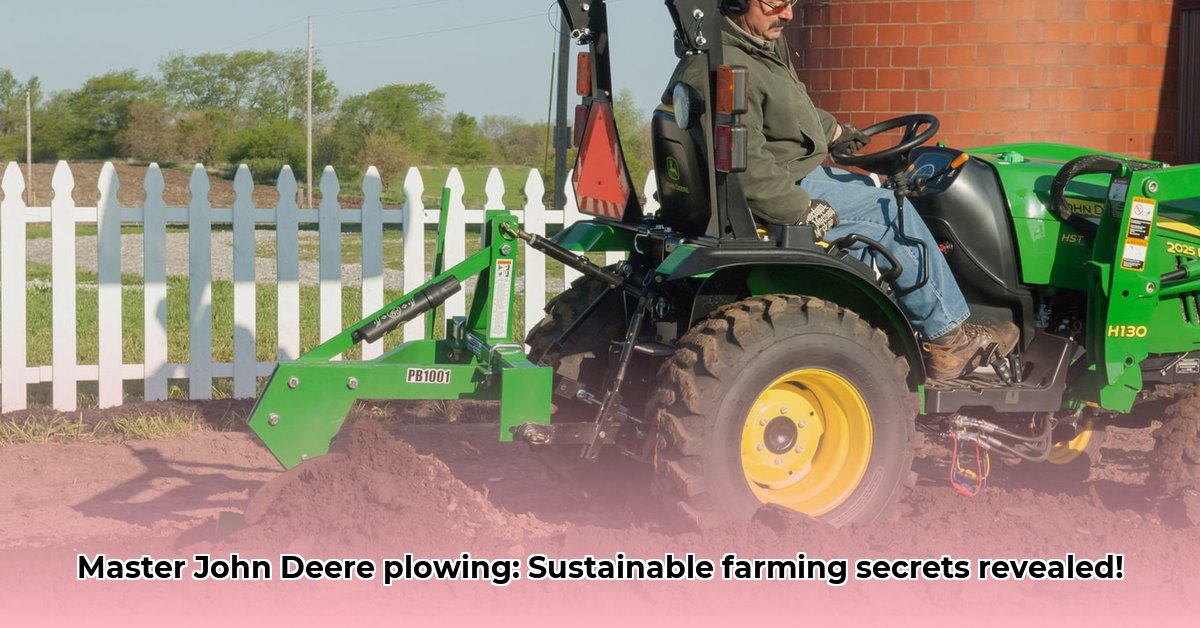
Imagine your John Deere tractor, not just a spring planting machine, but your farm's workhorse, 365 days a year. This isn't just about plowing; it's about maximizing your John Deere's potential, from choosing the right model to mastering techniques that save you time, money, and soil. For even more John Deere inspiration, check out these cool models. This comprehensive guide will equip you with the knowledge and skills to achieve year-round farming success with your John Deere tractor.
Choosing the Right John Deere Tractor
Selecting the perfect John Deere tractor hinges on your specific farming needs. Consider your acreage, soil type, and the range of tasks you’ll tackle. Do you need a nimble machine for smaller plots or a powerful workhorse for hundreds of acres? Understanding these factors will help you make an informed choice from John Deere’s extensive lineup. Do you have questions regarding fuel efficiency and the long-term cost of ownership? These are also important factors to consider.
| Model | Horsepower Range | Best Suited For | Typical Attachments |
|---|---|---|---|
| John Deere 5E Series | 50-100 HP | Smaller farms, varied tasks | Plows, mowers, seeders |
| John Deere 6M Series | 100-170 HP | Medium-sized farms, heavy plowing | Larger plows, tillers |
| John Deere 8R Series | 200+ HP | Large farms, extensive plowing | High-capacity implements |
Remember, your tractor is a significant investment. Thoroughly research different models, test drive them at your local John Deere dealer, and talk to experienced farmers for valuable insights. Their collective experience is a goldmine of practical advice.
Essential Attachments for Year-Round Productivity
A John Deere tractor's versatility extends beyond spring plowing. The right attachments transform it into a year-round farmhand. While a plow is essential, consider diversifying your toolkit:
- Snow Removal Equipment: Rotary brooms, blades, and snow blowers enable efficient snow clearing during winter months.
- Soil Improvement Tools: Rippers, subsoilers, and cultivators improve soil health, even after plowing. This enhances drainage, aeration, and nutrient uptake.
- Planting and Harvesting Attachments: Expand your operational capabilities throughout the year. Efficient planting and harvesting helps in maximizing yield and resource utilization.
Investing in a variety of attachments enhances the return on your tractor investment, ensuring its utility across different seasons and tasks.
Mastering Plowing Techniques: A Step-by-Step Guide
Efficient plowing requires skill and precision. Follow these steps for optimal results:
Pre-Plowing Preparation: Thoroughly inspect your field for obstacles like rocks or hidden debris, planning your plowing route for maximum efficiency. This minimizes risk of damage & maximizes fuel efficiency.
Consistent Depth: Maintain a consistent plowing depth to create even furrows and a perfect seedbed. Inconsistent depth can negatively impact crop yields.
Strategic Overlap: Slightly overlap each pass to ensure complete ground coverage, preventing missed areas that affect soil preparation quality.
Fuel-Efficient Practices: Smart route planning and smooth operation minimize fuel consumption and contribute to environmental sustainability.
On-the-Go Monitoring: Regularly inspect your implements for wear and tear during plowing. Addressing minor issues proactively avoids major repairs.
These techniques, combined with proper tractor operation, contribute to both efficient plowing and sustainable farming.
Tractor Maintenance and Care: Extending Your Investment
Regular maintenance is paramount to maximizing the lifespan of your John Deere tractor. Preventative care is crucial in preserving the tractor's value and operational efficiency. This includes:
- Lubrication: Regular lubrication of moving parts minimizes friction and wear, extending the lifespan of components.
- Fluid Checks: Monitoring engine oil and transmission fluid levels ensures optimal engine performance and prevents mechanical failures.
- Visual Inspections: Regular visual inspections identify potential issues early, preventing minor problems from escalating into major repairs.
- Cleaning: Keeping your tractor clean removes mud and debris, preventing rust and corrosion, thereby extending tractor's operational lifespan.
Regular maintenance saves money on repairs and reduces costly downtime. A well-maintained tractor guarantees a strong return on your investment.
Financial Considerations: Return on Investment
The ROI of a John Deere tractor is significant with year-round usage. Consider several key factors:
- Reduced Labor Costs: Tractor use dramatically reduces manual labor, resulting in substantial cost savings.
- Increased Efficiency: Year-round operation maximizes your equipment's value and creates opportunities for higher revenue generation.
- Government Subsidies: Explore government programs offering financial aid for sustainable farming practices and equipment purchases.
- Financing Options: John Deere offers financing options that can make large purchases more manageable. Explore these options when planning your acquisition.
Careful financial planning helps maximize the financial benefit of your tractor investment, ensuring its long-term viability.
Conclusion: Sustainable Farming with John Deere
Sustainable farming hinges on thoughtful planning and the right tools. Mastering John Deere tractor plowing is a significant step towards achieving your farming goals. These practices ensure that your operation is efficient, profitable, and environmentally responsible. By implementing these techniques, you can unlock the full potential of your John Deere tractor and build a thriving, sustainable farm.